In December 2025 I took a final research trip to Japan with a packed itinerary to visit historic and cultural sites in Gunma Prefecture, Nagano Prefecture, and Tokyo all in the span of 6 days. When planning the trip I focused on historical sites and museums related to 1) silk production in Japan before and after the onset of industrial and technological Westernization; and 2) associated late Tokugawa and early Meiji historical sites.
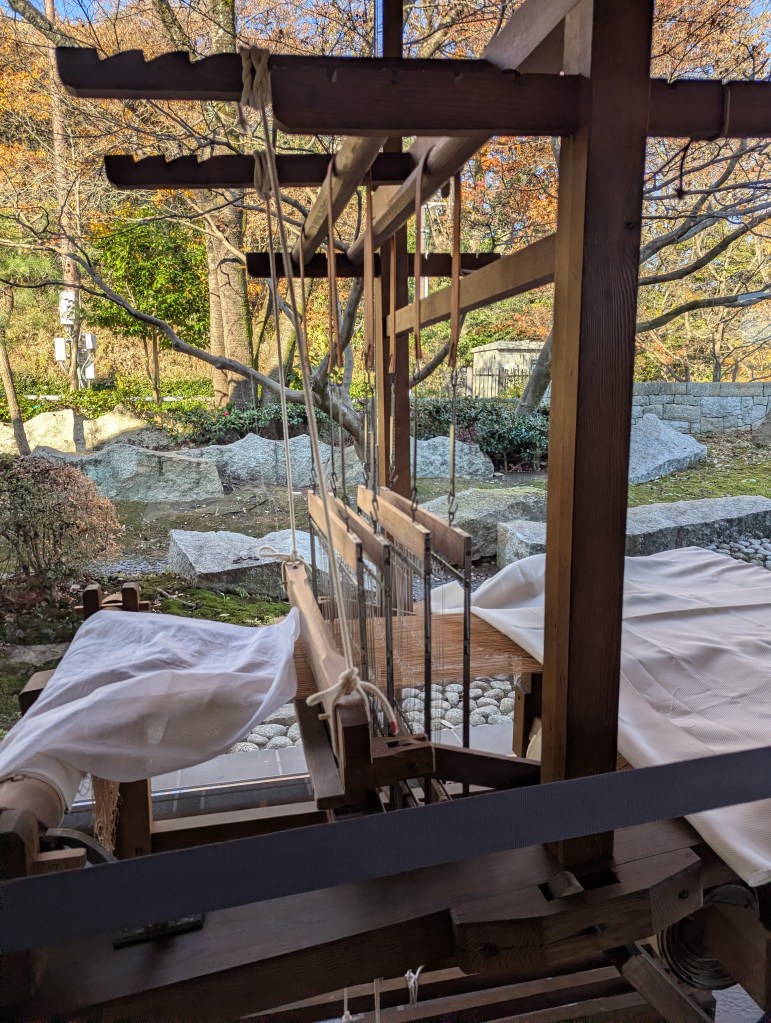
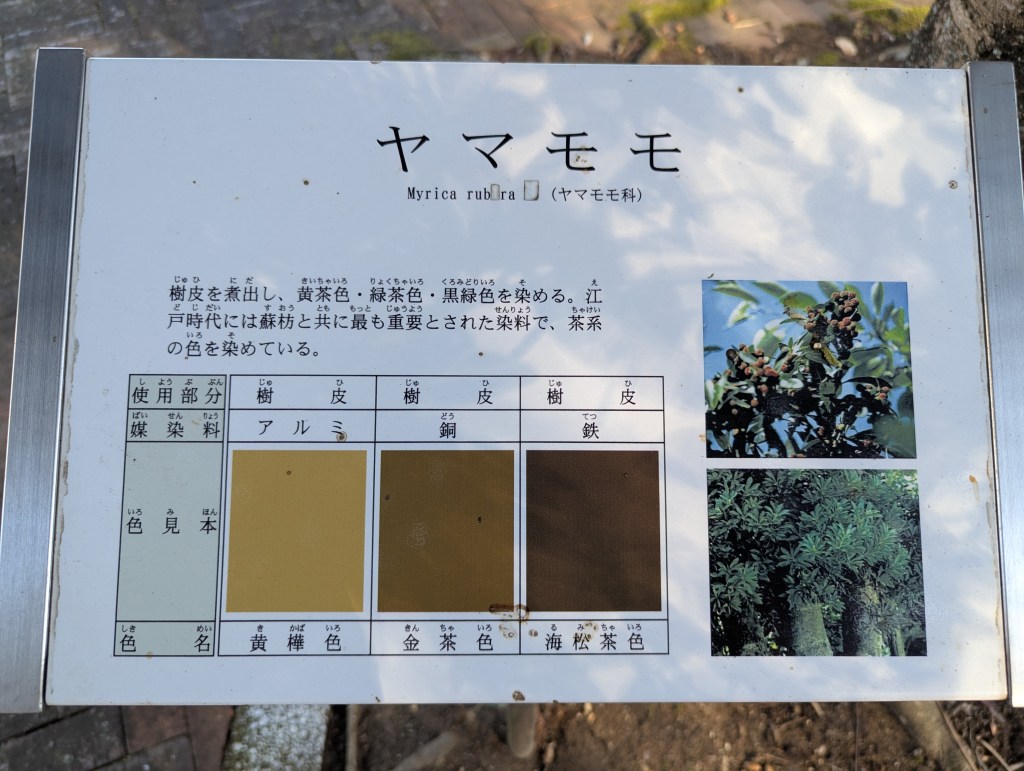
In Gunma Prefecture I used Takasaki as my base for two nights in order to visit sites including the Takasaki City Natural Dye Plant Botanical Garden and Tomioka Silk Mill. The Dye Botanical Garden was a real eye opener in terms of seeing how Takasaki City is working to preserve traditional textile crafts and related horticulture, while in a way the main thing I took from my visit to Tomioka was the idea that the buildings there serve as a material archive of the initial paucity and rapid development of local craft skills in brickmaking and masonry when Western-style buildings were first built in Japan. I also saw there an intriguing reference to bricks as a tie between Tomioka and the Yokosuka Shipyard (near Tokyo). Here are some representative images from Gunma (the Dye Botanical Garden, Nippon Silk Center Takasaki, and Tomioka Silk Mill):


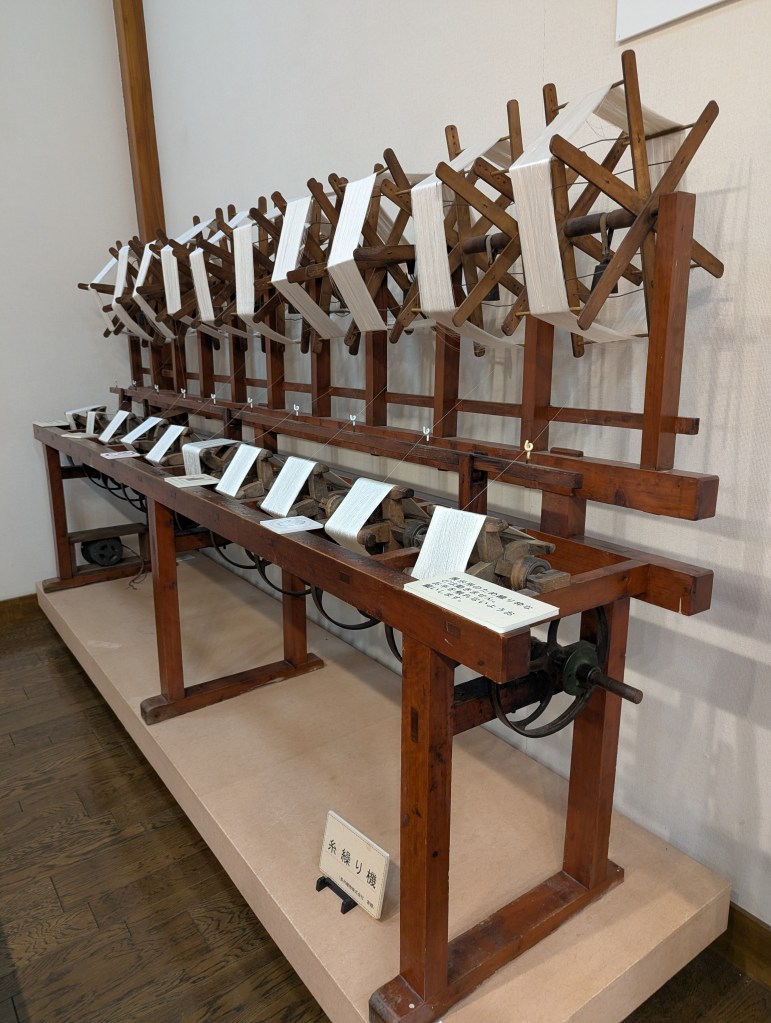


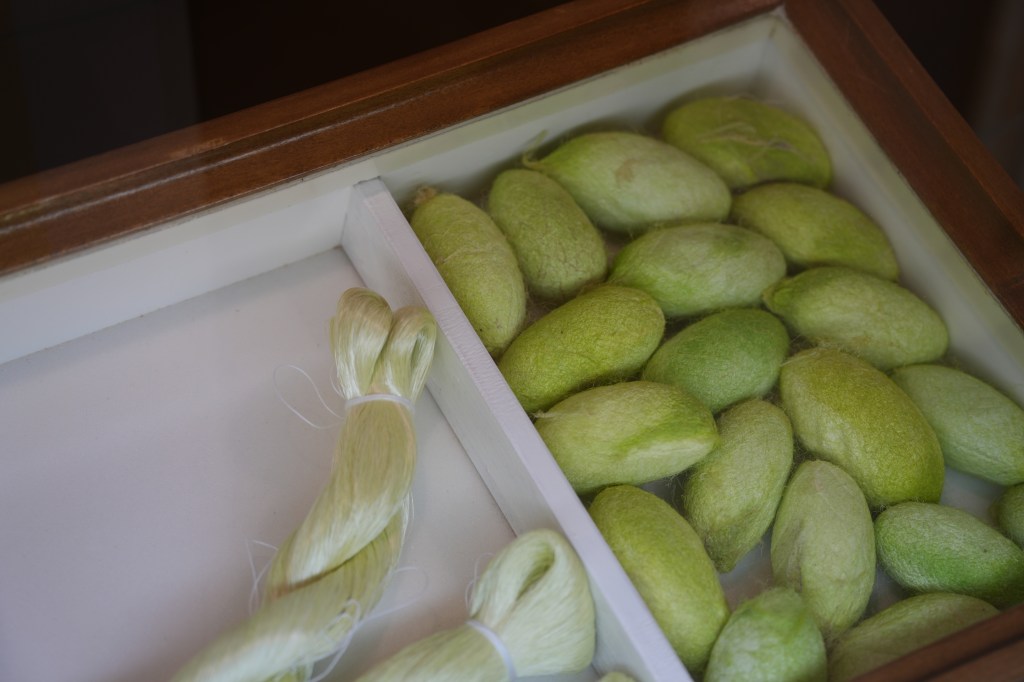
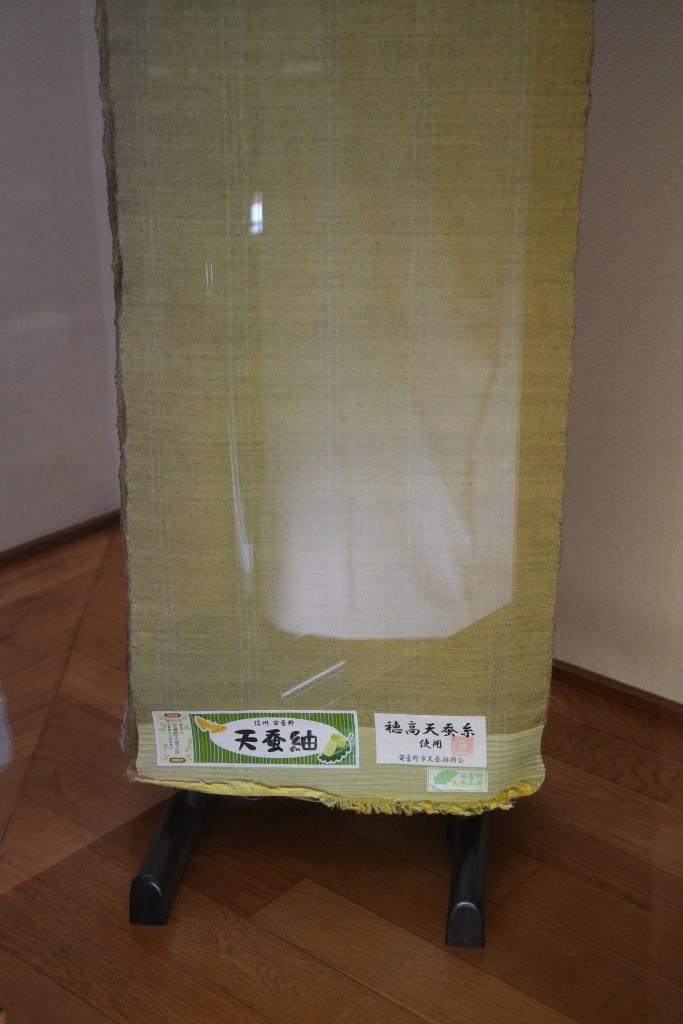
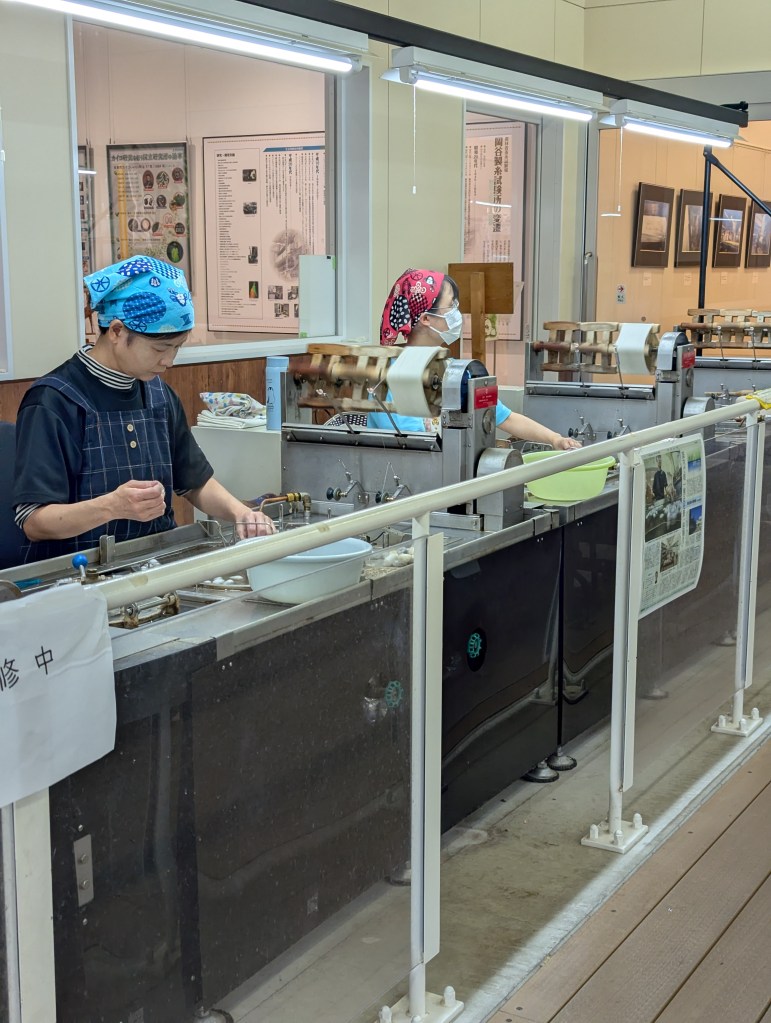
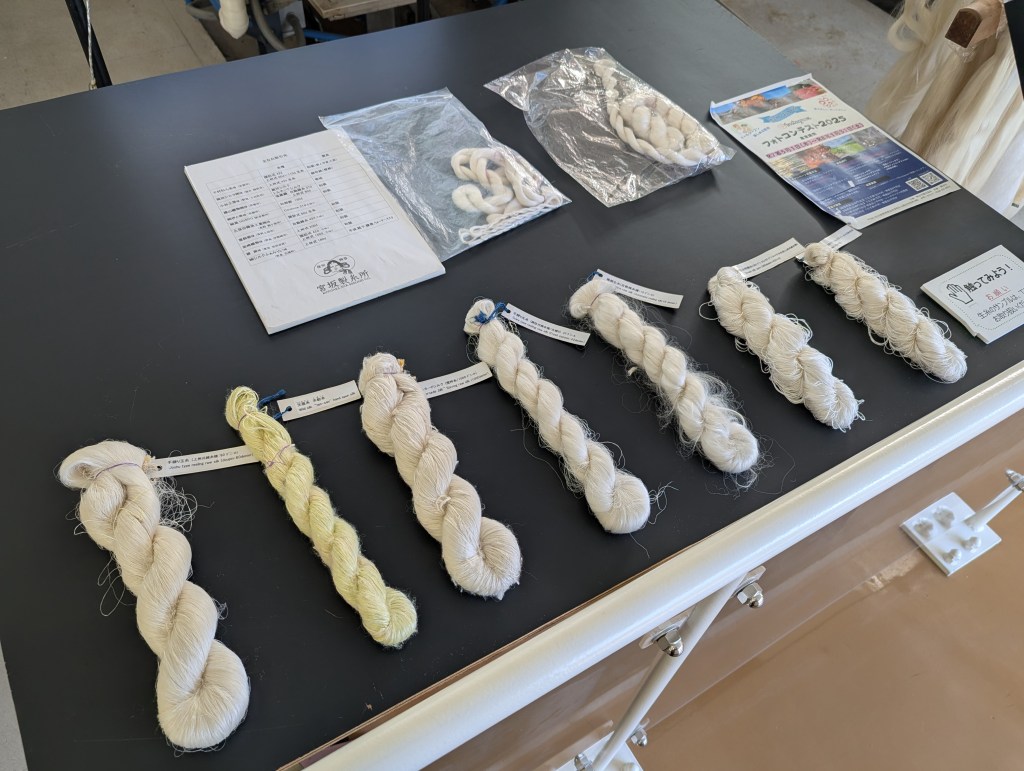
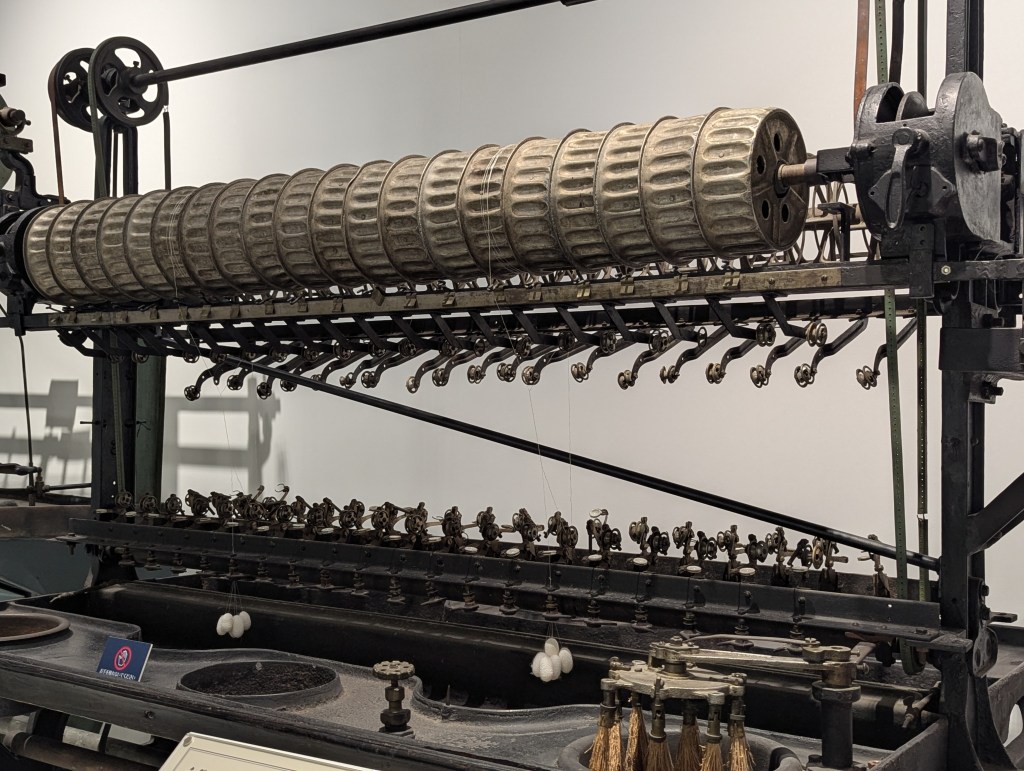
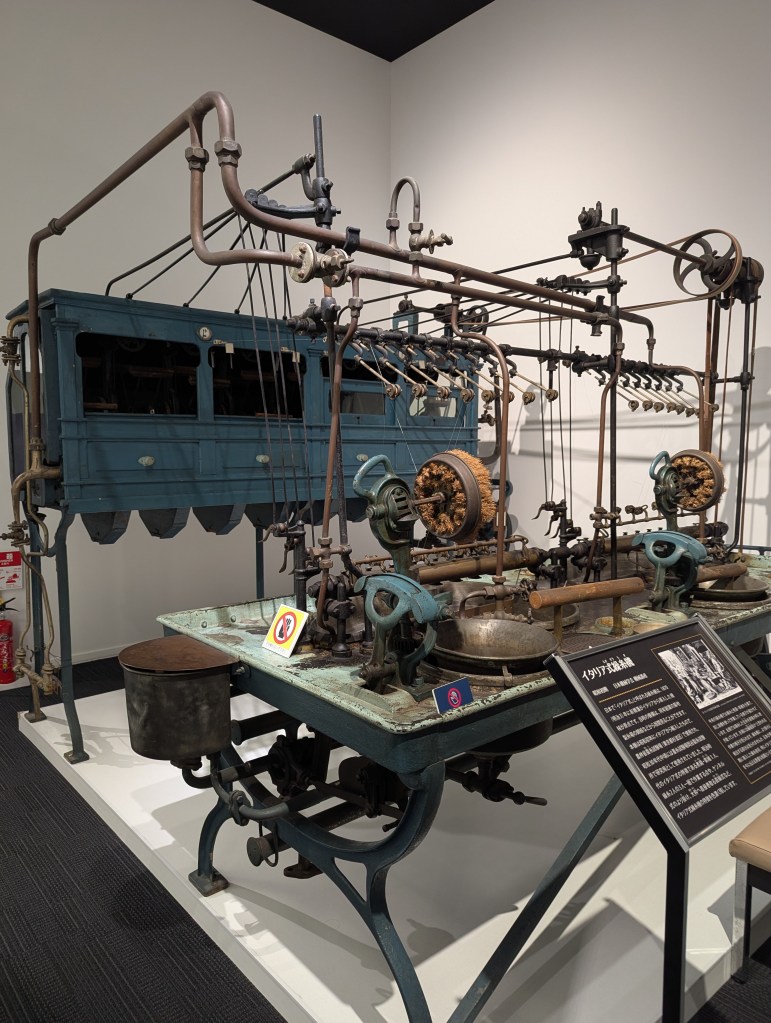
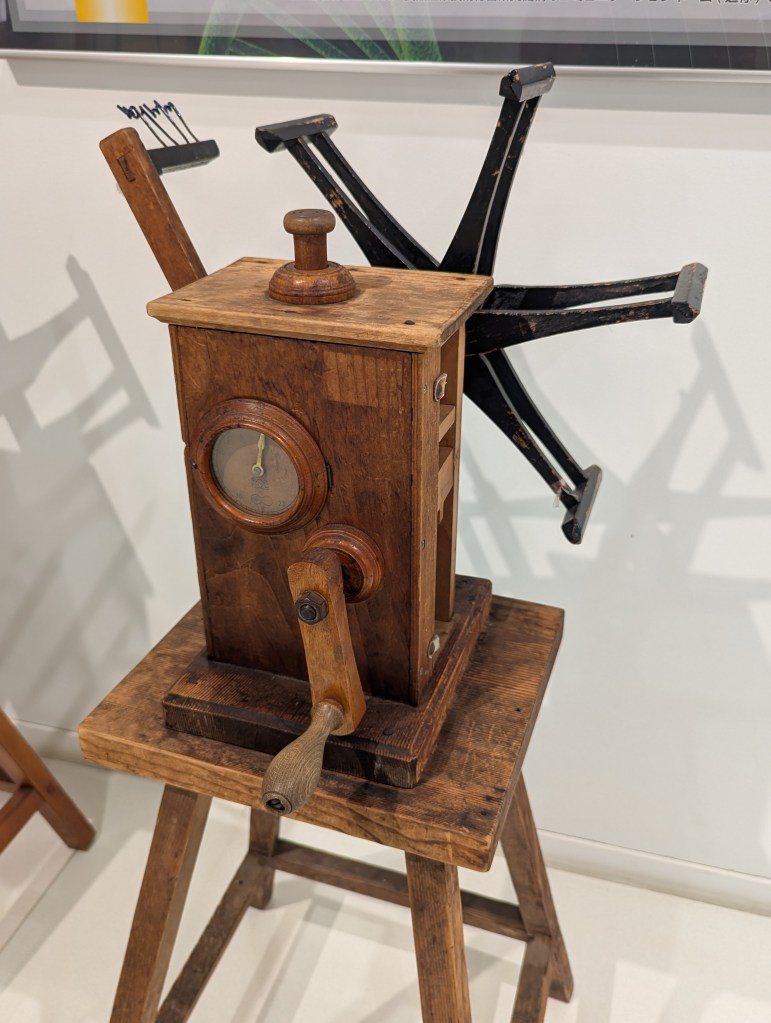
In Nagano Prefecture I spent just one night in Matsumoto — the train ride from Takasaki was pretty long — and my primary objective was to visit the Tensan Silk Center in the northern outskirts of the city. It turned out to be a small but fascinating place where a local community group is preserving traditional sericulture techniques for raising antheraea yamamai (as opposed to bombyx mori) silkworms on a diet of Japanese oak (Mizunara?), as opposed to mulberry. They had a great video with English subtitles as well as a small display case of sericulture apparatus. On the way back from Matsumoto to Tokyo I also stopped by Okaya Silk Fact, a historical museum covering local sericulture and silk reeling from pre-industrial to modern times. They had numerous antique silk reeling machines on display as well as live silk reeling demos.





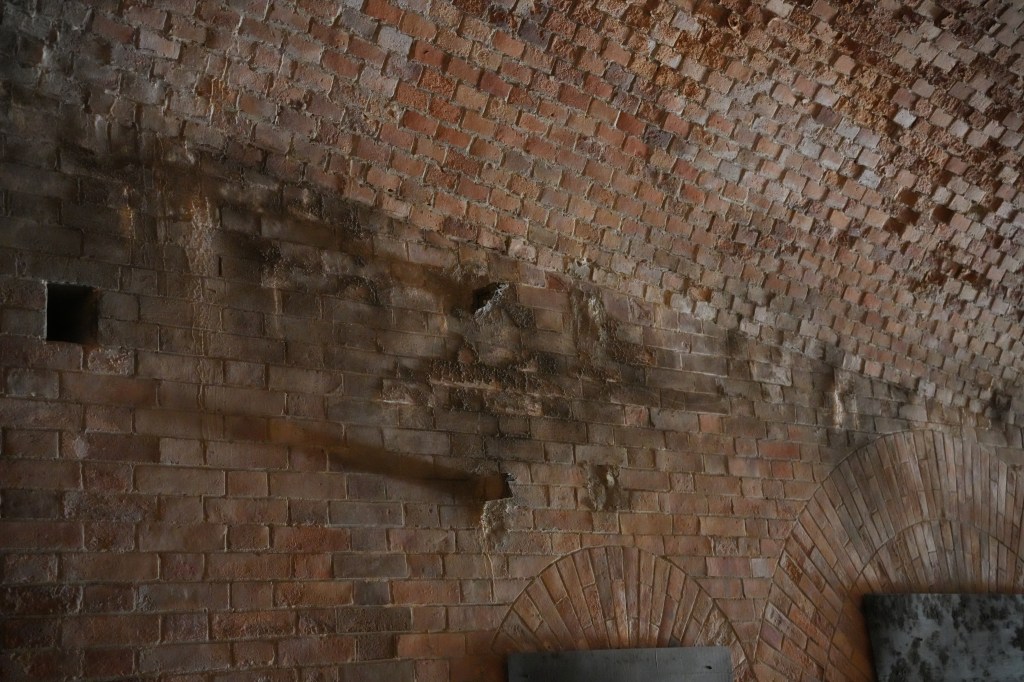
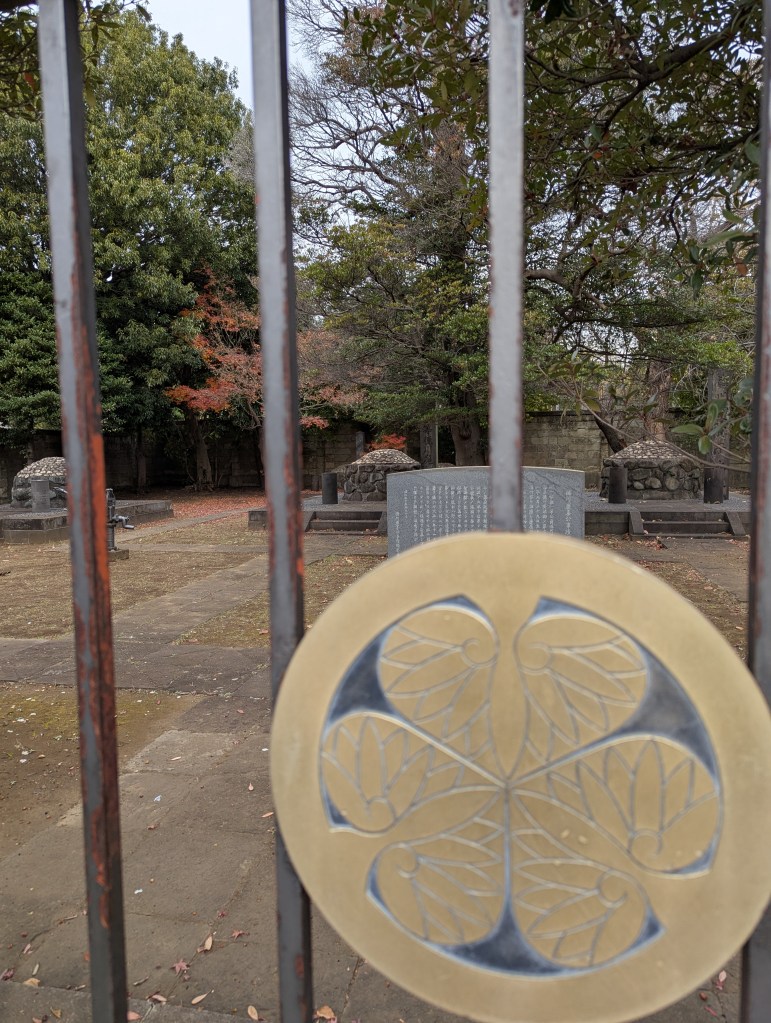
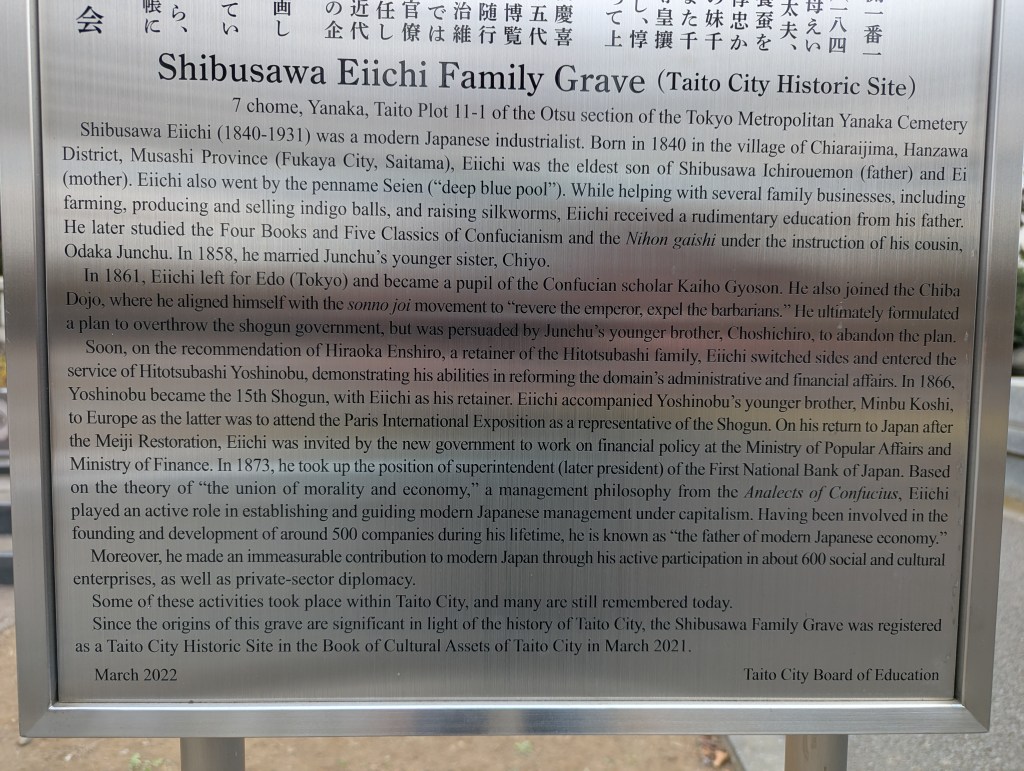
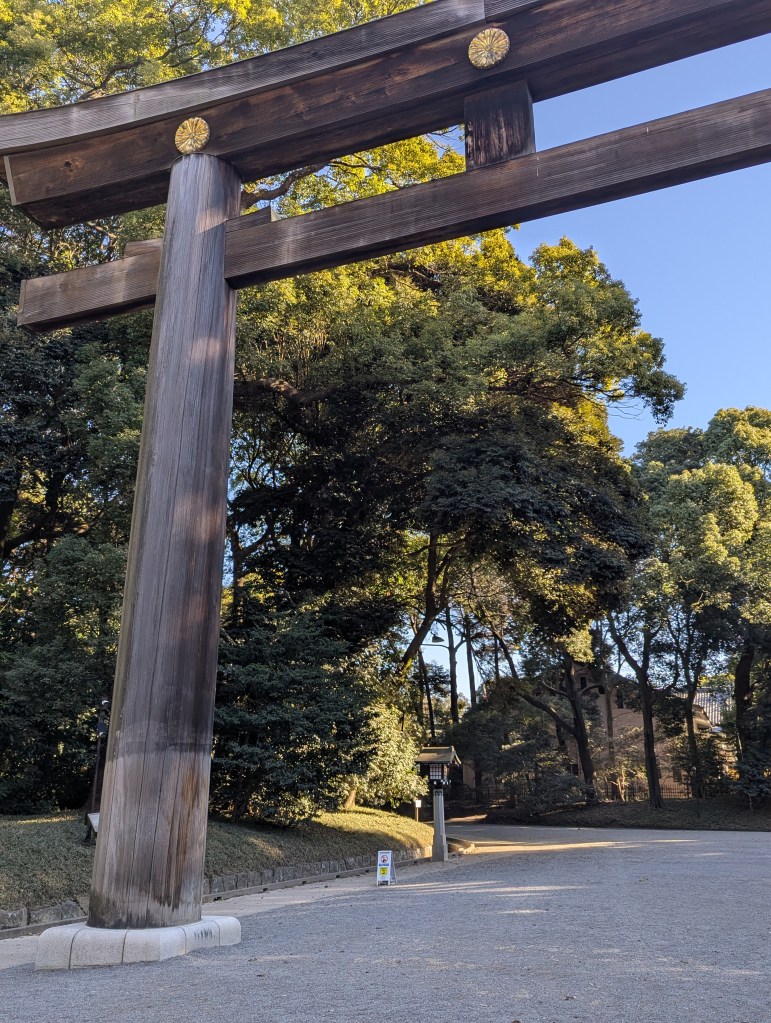
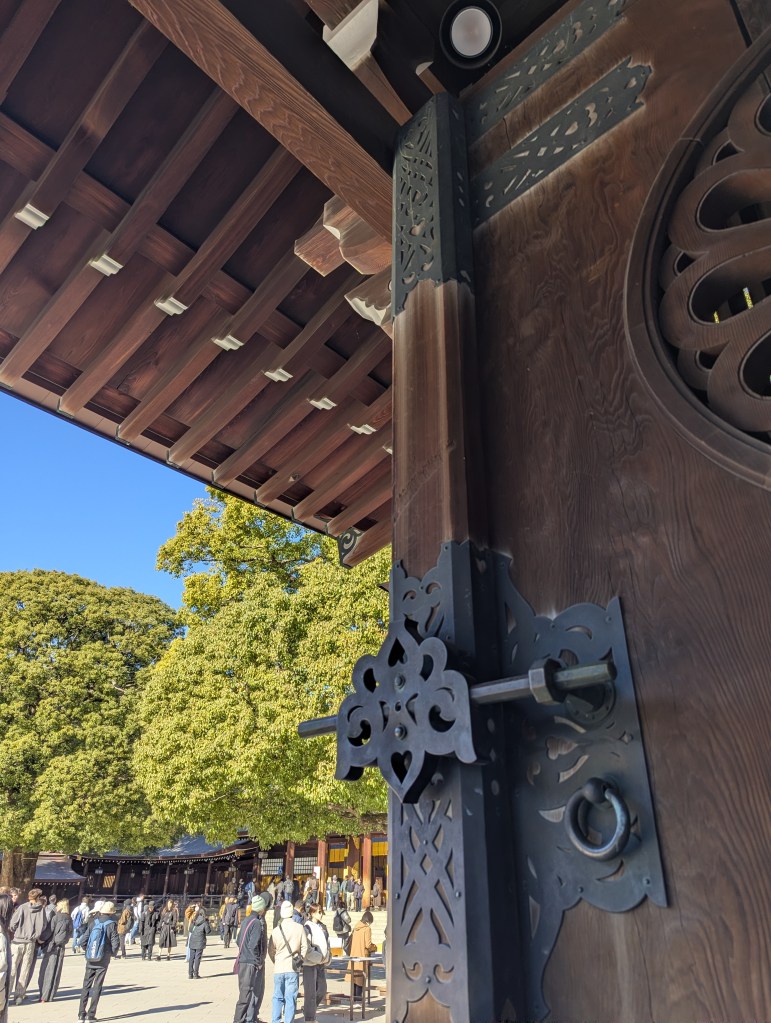
Back in Tokyo I had three historical sites on my agenda (in addition to seeing some contemporary art shows): Yokosuka/Sarushima, Yanaka Cemetary, and the Meiji-Jingu Shrine. On Sarushima island I took lots of photos of brickwork, inspired by the newly-appreciated connection with Tomioka Silk Mill; in Yanaka Cemetary I visited the graves of Yoshinobu Tokogawa (the last Tokugawa shogun) and Eiichi Shibusawa (inspired largely from watching the NHK Taiga Drama series Reach Beyond the Blue Sky); and at the Meiji-Jingu Shrine I took in the general ambience and learned a few things about the Meiji emperor but was disappointed to find the museum closed (between exhibits).







To round out the Tokyo part of my trip I went to see current shows at the National Museum, Artizon Museum, Suntory Museum, and Mori Art Museum. Lots of great inspiring stuff for makers!

 Silkpunk Dogu - Stanford VPA Faculty Creative Project 2023-2025